




About Author:
Predrag Cicovacki has taught philosophy at the College of the Holy Cross (Worcester, Massachusetts, USA) since 1991, where he also served as Director of Peace and Conflict Studies and as Editor-in-Chief of ‘Diotima: A Philosophical Review’. Cicovacki is the author of twelve books and the editor of eight.
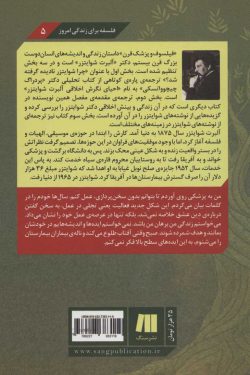
«فیلسوف و پزشک قرن» داستان زندگی و اندیشههای انساندوست بزرگ قرن بیستم، دکتر «آلبرت شوایتزر» است و در سه بخش تنظیم شده است. بخش اول با عنوان «چرا شوایتزر نادیده گرفته شد؟» ترجمهی پارهی کوتاهی از کتاب تحلیلی دکتر «پردراگ چیچوواتسکی» به نام «احیای نگرش اخلاقی آلبرت شوایتزر» است. بخش دوم، ترجمهی مقدمهی مفصل همین نویسنده در کتاب دیگری است که در آن زندگی و بینش اخلاقی دکتر شوایتزر را بررسی کرده و گزیدههایی از نوشتههای شوایتزر را در آن آورده است. بخش سوم کتاب نیز ترجمهای از نوشتههای شوایتزر در زمینههای مختلف است.
آلبرت شوایتزر سال ۱۸۷۵ به دنیا آمد. کارش را ابتدا در حوزهی موسیقی، الهیات و فلسفه آغاز کرد، اما با وجود موفقیتهای فراوان در این حوزهها، تصمیم گرفت نظراتش را در بستر واقعیت زنده و به شکل عینی محک بزند. پس به دانشگاه برگشت و پزشکی خواند و به آفریقا رفت تا به روستاییان محروم قارهی سیاه خدمت کند. به پاس این خدمات، سال ۱۹۵۲ جایزهی صلح نوبل غیابا به او اهدا شد که شوایتزر مبلغ ۳۶ هزار دلار آن را صرف گسترش بیمارستانها در آفریقا کرد. شوایتزر در ۱۹۶۵ از دنیا رفت
پردراگ چیچوواتسکی (Predrag Cicovacki) (متولد: 8 ژوئن 1960 ، بلگراد ، صربستان) دانشیار فلسفه و مطالعات صلح در کالج صلیب مقدس در ووستر ، MA است. او نویسنده کتاب داستایوسکی و تأیید زندگی و بین حقیقت و توهم: کانت در چهارراه مدرنیته است
درباره نویسنده:
پردراگ چیچوواتسکی (Predrag Cicovacki) (متولد: 8 ژوئن 1960 ، بلگراد ، صربستان) دانشیار فلسفه و مطالعات صلح در کالج صلیب مقدس در ووستر ، MA است. او نویسنده کتاب داستایوسکی و تأیید زندگی و بین حقیقت و توهم: کانت در چهارراه مدرنیته است.


