




About Author:
Sigmund Freud was an Austrian neurologist and the founder of psychoanalysis, a clinical method for treating psychopathology through dialogue between a patient and a psychoanalyst. Freud was born to Galician Jewish parents in the Moravian town of Freiberg, in the Austrian Empire.
Born: May 6, 1856, Příbor, Czechia
Died: September 23, 1939, Hampstead, London, United Kingdom
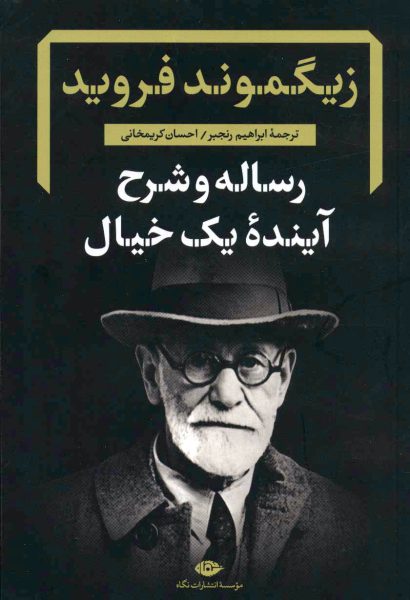
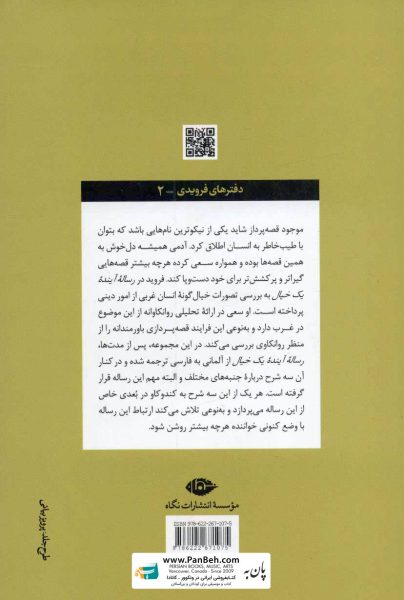
کتاب «رساله و شرح آینده یک خیال» اثری نوشته ی «زیگموند فروید» است که اولین بار در سال 1927 انتشار یافت. «فروید» در این کتاب به ارائه ی بینش های خود در مورد جنبه های مختلف شکل گیری و گسترش مذهب می پردازد. او در این اثر، یک «منتقد» خیالی را خلق می کند، به همین خاطر کتاب به صورت گونه ای از دیالوگ ارائه شده است. در حقیقت می توان گفت این منتقد خیالی، نماینده ای از جامعه به شکل کلی است. «فروید» در کتاب «رساله و شرح آینده یک خیال»، اصول روان کاوی را به کار می گیرد تا توضیحی درباره ی مذهب، که به عقیده ی او پدیده ای اجتماعی است، ارائه کند.
درباره نویسنده:
زیگموند فروید، زاده ی 6 می 1856 و درگذشته ی 23 سپتامبر 1939، متخصص مغز و اعصاب اتریشی و خالق روانکاوی بود. فروید در خانواده ای یهودی در شهر فرایبرگ واقع در امپراتوری اتریش چشم به جهان گشود. او در سال 1881 موفق به اخذ مدرک پزشکی از دانشگاه وین شد و در سال 1902 به درجه ی استادی رسید. پس از فارغ التحصیلی، فروید در بیمارستان عمومی وین مشغول به کار شد و در درمان هیستری به وسیله ی یادآوری تجارب دردناک گذشته از طریق هیپنوتیزم، با دکتر جوزف بروئر همکاری داشت. او در سال 1885 با مارتا برنیز ازدواج کرد و از او صاحب شش فرزند شد.فروید در شهر وین، زندگی و کار می کرد و کار بالینی خود را در این شهر در سال 1886 آغاز کرد. او در سال 1938 به منظور فرار از چنگ نازی ها، اتریش را ترک گفت و در سال 1939 در بریتانیا از دنیا رفت.زیگموند فروید با ابداع روشی کاملا جدید در فهم شخصیت انسان، جزو تأثیرگذارترین و جنجال برانگیزترین شخصیت های قرن بیستم میلادی به حساب می آید.


